Get in touch with us at info@new.com
Joe Harrison Music
Exploring sound at the edge of structure.
I’m a composer, producer, and guitarist—but I try not to be all three at once. I tend to keep my hands off the guitar when I write. It protects the integrity of both voices.
My background spans performance, education, arranging, sound design, and production. I’ve studied jazz deeply, but I don’t think of myself as a jazz musician. I have a soft spot for rock and roll, but I’m not a rocker. Guitarists live on the edges of jazz, and I’ve always felt a bit on the edge of every scene.
Conceptual thinking drives me more than genre. I’m less influenced by records than by ideas—philosophy, literature, aesthetics. Heraclitus said the world is made of fire. That feels about right to me.
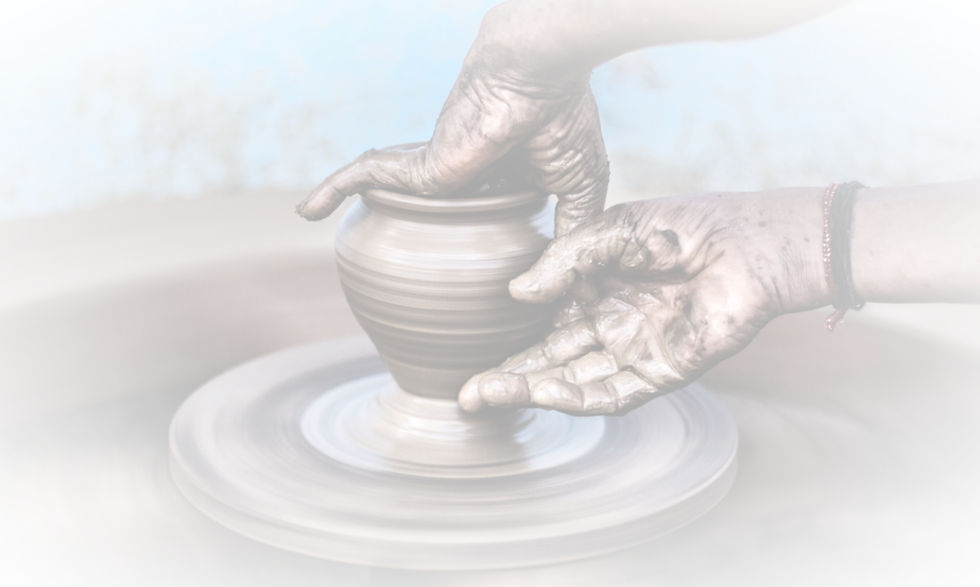
On Being a Life Artist: Crafting a Life, Designing Existence
Not long ago, I encountered a collection of pieces from Liszt by pianist Ervin Nyiregyházi, and in learning a bit about his background I was struck by the familiar strangeness of his story.
Hungarian-born American pianist he was a prodigy—composing at the age of six, playing concerts by the age of seven, and achieving a level of technical mastery that would define his career. But despite his early success, Nyiregyházi became disillusioned with the conventional expectations of the classical music world and his artistic trajectory took a dramatic turn when he withdrew from public performance.
He describes himself as a life artist, a concept unknown to me at the time yet immediately understood. It has something to do with craft and attentiveness. It’s compelling thought; to extend the vision and grace vital to one’s creative life also to the life one creates. Nyiregyházi appeared to have walked away, but this framing makes it plain that he had always been moving toward something.
In many ways, I can relate with this idea of a life artist. While the term "artist" tends to evoke images of someone confined to a studio, creating tangible works like music, paintings, or sculptures, a life artist operates with a different kind of canvas—one that is constantly shifting and evolving, built of moments, choices, relationships, and experiences. For a life artist, medium is not produced as much as inhabited.
The term "life artist" might not have been coined in the way we think of iconic movements or schools of thought, but it’s an idea that makes sense to me. I'm moved by the creative act—in myself and in others. I try to occupy that emotional space all the time. It’s about designing a life, not in the sense of controlling every outcome, but by deliberately choosing how to engage with the present moment, how to grow, and how to transform. A traditional artist might create something external to themselves—a painting, a song, a film—but a life artist turns inward, shaping who they are, rethinking how they experience the world, and how they interact with it.
This isn’t to suggest that I’ve adopted some idyllic, detached philosophy where I view life as a passive thing to be merely observed or manipulated. On the contrary, it means embracing the unpredictability, the uncertainty, and the chaos of life while finding ways to weave that into something meaningful. The artist’s quest for mastery over their chosen medium—whether it’s sound or sculpture—is paralleled by the life artist’s quest to understand, experience, and shape their very being. It's a journey of constant reflection and reimagining—a continual unfolding of self and purpose.
What fascinates me about this approach to life is that it moves beyond the traditional boundaries of “success” and “failure.” In the world of the life artist, there is no finished product—there is only process.